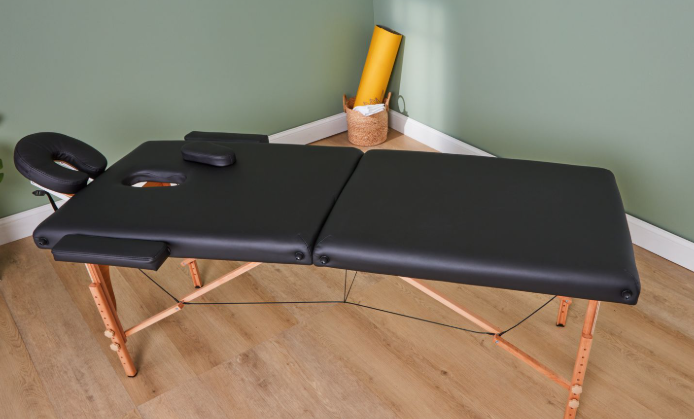
Every touchpoint in a spa visit contributes to how clients feel about their experience. From the moment a client lies down, the quality of massage tables communicates your commitment to their well-being. A table that is too narrow, too firm, or poorly adjusted can undermine even the most skilled therapist’s work.
The Psychology of Physical Comfort in Wellness Settings
First Impressions on the Table
Clients make an assessment of your facility within the first few seconds of lying on a table. The give of the foam, the warmth of the surface, the stability of the frame — all these subtle cues register at a subconscious level and influence how relaxed the client feels before the therapist even begins.
A well-heated, generously padded surface that instantly conforms to the client’s body creates an immediate sense of safety and relaxation. This is the emotional foundation that the therapist then builds upon with their technique.
- Surface warmth enhances initial relaxation
- Proper padding reduces pressure points
- Stable frames create a sense of security
- Correct width prevents feelings of instability
How Table Design Supports Therapist Performance
Ergonomic Alignment for Better Technique
A therapist working at the correct table height moves more efficiently, applies pressure more accurately, and maintains better posture throughout a session. When the table forces a therapist to overreach or hunch, the quality of the massage suffers and fatigue sets in faster. The right table height is typically at the therapist’s hip bone level when they stand beside it.
See also: How Social Media Marketing Firms Drive Business Growth Online
Surface Area and Technique Flexibility
Wider tables allow therapists to position arms alongside the body without concern about clients rolling off the edge. This is particularly important during deep tissue work, hot stone placement, and lymphatic drainage techniques, where the therapist needs to access the body from multiple angles without repositioning the client repeatedly.
Post-Session Hygiene and Table Maintenance
Between sessions, thorough cleaning is essential. Choose tables with seamless upholstery and minimal crevices where oils and debris can accumulate. Smooth surfaces wipe clean faster and dry completely before the next client arrives, maintaining the hygienic standards your clients expect and your insurance requires.
Frequently Asked Questions
Does table width affect the quality of deep tissue massage?
Yes, a wider table gives therapists more room to work on the sides of the body without clients feeling unsupported or at risk of rolling off the surface.
What temperature should a heated massage table maintain?
Most heated tables operate between 86 and 104 degrees Fahrenheit. The ideal temperature varies by client preference and treatment type.
How do I prevent upholstery damage from massage oils?
Use a fitted table sheet and clean the upholstery with an appropriate vinyl cleaner after every session. Avoid alcohol-based cleaners that degrade vinyl over time.
Conclusion
A massage table is far more than a passive piece of furniture. It is an active participant in the therapeutic experience, shaping how clients relax, how therapists perform, and how your brand is perceived. Invest in quality, maintain equipment diligently, and your clients will feel the difference with every visit. When you choose the right massage tables for your business, you are investing in every client experience that follows.