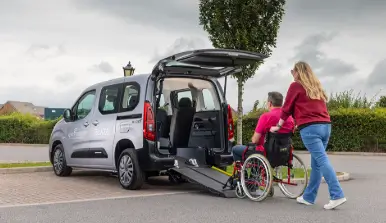
Independence and mobility are fundamental to quality of life. wheelchair accessible. For wheelchair users and individuals with significant mobility impairments, access to reliable transportation is a daily necessity that impacts virtually every aspect of life. Wheelchair accessible vehicles have evolved dramatically in recent decades, offering sophisticated solutions that provide comfort, safety, and dignity to users and their families.
Types of Wheelchair Accessible Vehicles
The wheelchair accessible vehicle market has expanded to include solutions for virtually every lifestyle and budget. From converted minivans and full-size vans to purpose-built accessible SUVs, there are options to suit individuals, families, and commercial operators.
Ramp vs. Lift Systems
Entry ramp systems use a folding or sliding ramp to bridge the gap between the vehicle floor and the ground. Lift systems use a hydraulic platform to raise and lower the wheelchair. Ramps are typically faster to operate, while lifts are better for higher vehicle floor heights.
Side Entry vs. Rear Entry Conversions
Side entry conversions allow the wheelchair to be positioned alongside the driver for a more social travel experience. Rear entry conversions offer more flexibility in parking situations but require more space behind the vehicle.
- Minivan side-entry conversions are most popular for families
- Rear entry systems typically offer more interior space
- Full-size vans provide maximum interior flexibility
- Purpose-built accessible vehicles offer factory-integrated solutions
- Used accessible vehicles can offer significant cost savings
Key Safety Considerations
Safety in wheelchair accessible vehicles extends beyond the vehicle itself to include wheelchair securement systems, seatbelts, and the structural integrity of any modifications. All components must meet applicable automotive safety standards.
Wheelchair Tie-Down and Occupant Restraint Systems
Proper securement is critical. Four-point tie-down systems anchor the wheelchair to the vehicle floor, while separate lap and shoulder belts restrain the occupant. Look for systems meeting ANSI/RESNA WC18 and SAE J2249 standards.
Funding and Assistance Programs
The cost of a wheelchair accessible vehicle can be significant, but numerous funding sources are available. Government programs, veterans’ benefits, disability insurance, grants from charitable organizations, and vehicle financing programs specifically designed for mobility equipment can all help make accessible vehicles affordable.
- Medicaid waiver programs in many states
- VA mobility assistance for eligible veterans
- Vocational rehabilitation funding for employment-related needs
- Non-profit grant programs
- Manufacturer rebate programs
Frequently Asked Questions
How much does a wheelchair accessible vehicle conversion cost?
Conversion costs vary widely. Basic hand control systems start around a few hundred dollars, while full rear-entry van conversions with power ramps and lowered floors can cost twenty thousand dollars or more above the vehicle purchase price.
Can any vehicle be converted to be wheelchair accessible?
Not all vehicles are suitable for conversion. Minivans and full-size vans are most commonly converted due to their interior space and floor structure. SUVs and smaller vehicles can accommodate swivel seats, hand controls, and other aids, but not always full wheelchair access.
Who installs wheelchair accessible vehicle modifications?
Modifications should be installed only by certified mobility equipment dealers who are members of organizations like NMEDA (National Mobility Equipment Dealers Association) in the United States.
See also: The Evolution of Health Information Technology
Conclusion
Wheelchair accessible vehicles are transformative tools that restore independence and expand the horizons of mobility-impaired individuals. By understanding the available options, safety requirements, and funding resources, individuals and families can find solutions that truly meet their needs and budgets. Always consult with certified mobility equipment professionals to ensure the safest, most appropriate configuration for your unique situation.