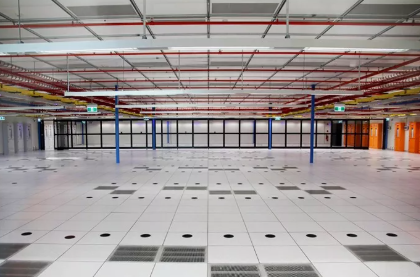
Modern buildings are more complex than ever, with sophisticated electrical systems, dense data networks, and advanced mechanical services all competing for space. raised access floors Raised access floors solve this challenge elegantly, creating an accessible underfloor plenum that keeps services organized, accessible, and invisible. For anyone planning a new construction or major renovation, understanding how these systems work and what to look for in a quality product is essential knowledge.
How Raised Access Floor Systems Work
A raised access floor system elevates the finished floor surface above the structural slab using a grid of adjustable pedestals. The space created between the two floor levels — called the plenum — is used to route cables, pipes, and conditioned air. Panels sit on top of the pedestals and interlock or rest in place, allowing any panel to be removed and replaced in seconds using a simple suction cup lifter.
Pedestal Height and Plenum Depth
Pedestals come in a wide range of heights, typically from 75mm to over 1,000mm, allowing the system to be tailored to the depth of services being accommodated. Data centers often require greater plenum depth to accommodate large power and data cable bundles, while office buildings may need only 100 to 150mm for basic cable routing.
Panel Types and Specifications
Panels are available in steel-encapsulated concrete, calcium sulfate, wood-core, and aluminum variants. Each type has different load ratings, weight, thermal properties, and acoustic characteristics. The choice of panel type depends on the specific requirements of the space, including load capacity, fire resistance, and acoustic performance.
Benefits of Installing a Raised Access Floor
The advantages of raised access floors extend well beyond simple cable management. Modern UFAD (Underfloor Air Distribution) systems use the plenum to deliver conditioned air at floor level, significantly improving energy efficiency and thermal comfort. Flexible workspaces become easier to reconfigure without costly construction work. And the aesthetic result is a clean, cable-free floor surface.
Energy Efficiency Through UFAD
Underfloor air distribution can reduce HVAC energy consumption by 30 to 40 percent compared to conventional overhead systems in some applications. Conditioned air enters the space near occupants at floor level and rises naturally to ceiling-level return vents, creating a highly efficient thermal stratification that concentrates cooling where people actually are.
See also: The Evolution of Financial Technology Systems
Flexibility for Future Changes
Business needs change constantly, and raised access floors make adapting to those changes far less disruptive. Adding new power outlets, rerouting data cables, or installing new mechanical services all happen in the plenum without any demolition to finished surfaces. This translates directly into reduced downtime and lower renovation costs over the building’s lifetime.
Selecting the Right Raised Access Floor for Your Application
Different applications have very different requirements. A data center needs panels rated for heavy concentrated loads from server racks, airflow perforated tiles, and ESD-compliant surfaces. A corporate office needs attractive laminate finishes, moderate load capacity, and sound-dampening properties. A hospital may need seamless, hygienic surfaces and specialized fire ratings. Define your requirements clearly before approaching suppliers.
Load Rating Requirements
Always calculate the maximum expected point load for your application and specify panels with an appropriate safety margin above that figure. Under-specified panels can permanently deform or fail suddenly, causing serious safety issues and expensive equipment damage.
Surface Finish Selection
The surface finish affects both aesthetics and functionality. High-pressure laminate is versatile and attractive for offices. Conductive vinyl is essential for ESD-sensitive environments. Perforated steel tiles manage airflow in data centers. Matching the finish to the functional requirement is just as important as choosing the right panel structure.
Installation Best Practices
A quality product installed poorly will underperform. Key installation best practices include thorough subfloor preparation, precise pedestal alignment using laser levels, correct adhesive application for pedestal bases, and proper sequencing of panel installation. Always have a qualified flooring contractor or the manufacturer’s own installation team complete the work.
Frequently Asked Questions
Q: How long does it take to install a raised access floor?
A: Installation speed depends on the area and complexity. Experienced crews can typically install 200 to 300 square meters per day for straightforward areas, though complex data center installations take longer due to precise cable management and airflow planning.
Q: Are raised access floors suitable for residential applications?
A: While technically possible, raised access floors are rarely used residentially due to cost and the reduced ceiling height. They are primarily designed for commercial, institutional, and industrial environments.
Q: How are raised access floors inspected for safety compliance?
A: Independent testing laboratories conduct load testing on panel and pedestal assemblies. Products are then certified against relevant standards such as EN 12825 or CISCA guidelines. Buyers should always request the original test certificates.
Conclusion
Raised access floors are one of the most practical and cost-effective building infrastructure investments available today. When chosen and installed correctly, they reduce operational costs, simplify maintenance, and adapt effortlessly to changing business needs. Take the time to understand your specific requirements and choose the right raised access floors for your project to maximize long-term value.