A well-designed outdoor space does more than look good—it changes how you live. From summer cookouts to quiet evening unwinding, the right patio transforms your property into a place you actually want to spend time. And when it comes to outdoor surfaces, few options deliver the same combination of beauty, durability, and long-term value as a professionally installed paver patio.
Homeowners across the country are prioritizing their outdoor living spaces, and it’s easy to see why. Landscaping and hardscaping improvements consistently rank among the highest-return home investments. But not all upgrades are created equal. The material you choose, the design you select, and the craftsmanship behind the installation all determine whether your patio becomes a feature you love for decades—or a headache you’re fixing every few years.
What Makes Pavers Stand Out From Other Patio Materials?
Concrete slabs and wooden decks have their place, but pavers bring something different to the table. Each paver unit is individually set, which means the surface flexes slightly with ground movement rather than cracking under pressure. That structural flexibility is one of the biggest reasons paver patios outlast poured concrete by a significant margin.
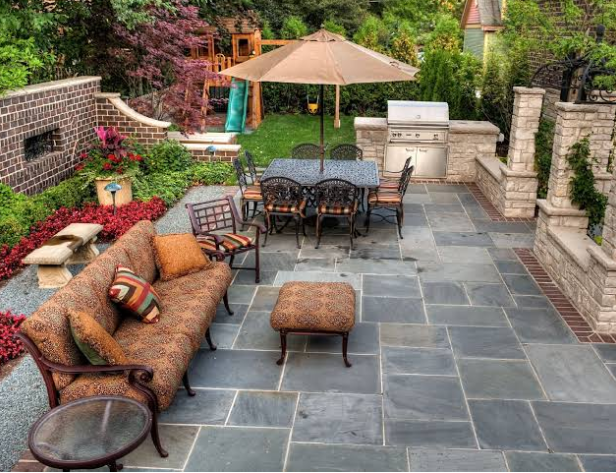
Beyond durability, the aesthetic range is hard to match. Pavers come in dozens of shapes, sizes, textures, and colors—from the clean lines of modern slate-style designs to the warm, rustic appeal of tumbled stone. Whether your home is contemporary or traditional, there’s a paver style that fits.
Here’s a closer look at why pavers consistently outperform other surface materials:
- Crack resistance: Unlike poured concrete, individual pavers absorb movement without fracturing across the entire surface.
- Easy repairs: If a paver shifts or stains, it can be replaced individually without disturbing the rest of the patio.
- Slip resistance: Many paver textures provide natural grip, making them safer around pool areas and in wet climates.
- Drainage efficiency: Permeable paver systems allow water to filter through the joints, reducing runoff and standing water.
- Curb appeal: A well-laid paver surface adds immediate visual polish to any exterior.
See also: Thinking of Switching? What to Compare in a TeamViewer Alternative
How a Paver Patio Can Completely Change the Way You Use Your Outdoor Space
A Paver Patio professionally designed and installed to fit your property’s layout, lifestyle needs, and aesthetic preferences can turn an underused backyard into a fully functional outdoor living area that adds lasting value to your home. That’s not a small claim—it’s a genuine shift in how your property functions day to day.
Think about the surfaces you use most in your home. The kitchen. The living room. The spaces where life actually happens. A paver patio extends those living zones outdoors, giving you room to entertain, relax, and recharge without the limitations of indoor space. Add a fire pit, an outdoor kitchen, or a dining setup, and you’ve created an environment that rivals most indoor rooms for comfort and function.
What Does a Professional Installation Actually Involve?
This is where cutting corners costs homeowners. A paver patio that looks great at installation but settles unevenly, shifts with frost, or drains poorly within a few seasons is a sign of a rushed or inexperienced job. Professional installation means getting the foundation right before the first paver is ever laid.
The process typically includes:
- Site assessment and design: Measuring the space, identifying drainage patterns, and planning a layout that works with the existing landscape.
- Excavation: Removing existing material to the appropriate depth based on soil type and local frost conditions.
- Base preparation: Compacting a gravel base layer that provides stability and promotes proper drainage.
- Sand bedding: Adding a leveled sand layer that allows for precise paver placement and minor adjustments.
- Paver installation: Setting each paver according to the chosen pattern, with consistent joint spacing throughout.
- Edge restraints and joint sand: Locking the perimeter and filling joints with polymeric sand to prevent shifting and weed growth.
Each step matters. Skipping or rushing any part of this process leads to problems down the line—uneven surfaces, drainage issues, or pavers that shift after the first hard winter.
Which Paver Style Is Right for Your Outdoor Space?
Choosing a paver style depends on three things: your home’s architecture, how you plan to use the space, and your budget. Here’s a quick breakdown of the most popular options:
Concrete Pavers
The most versatile and cost-effective option. Available in nearly every shape and color, concrete pavers work well for patios, walkways, and pool surrounds. They hold up well under heavy use and are easy to source for repairs.
Natural Stone Pavers
Bluestone, travertine, and limestone offer a premium, upscale finish that’s hard to replicate. Natural stone adds a distinctive character to any space, though it typically comes at a higher price point.
Brick Pavers
Classic, warm, and timeless. Brick is a strong performer in cold climates and pairs beautifully with traditional or colonial-style homes.
Permeable Pavers
Designed with wider joints and a gravel base, permeable pavers allow rainwater to filter through rather than run off. An excellent choice for properties with drainage challenges or for homeowners looking for environmentally conscious options.
Is a Paver Patio Worth the Cost?
Upfront, a professional paver patio costs more than a basic concrete slab. But the comparison changes significantly when you factor in lifespan and maintenance.
Poured concrete typically lasts 25–30 years under ideal conditions, but cracks are common within the first decade—especially in freeze-thaw climates. Repairing cracked concrete usually means patching, which rarely blends seamlessly with the original surface. Over time, the cost of repeated repairs adds up.
Pavers, when properly installed, last 50 years or more. Individual units can be replaced without disturbing the surrounding surface, keeping repair costs low and the overall look consistent. Many homeowners find that the long-term math strongly favors pavers, even when the initial investment is higher.
From a resale perspective, outdoor living improvements consistently deliver strong returns. A professionally installed patio increases usable square footage, improves curb appeal, and signals to buyers that the home has been well maintained.
Why Professional Craftsmanship Makes All the Difference
A paver patio is only as good as the team that installs it. Materials matter, but execution is what separates a patio that performs beautifully for decades from one that needs constant attention. Experienced hardscaping professionals bring the equipment, knowledge, and attention to detail that DIY projects and cut-rate contractors simply can’t match.
A dedicated hardscaping team treats outdoor living as a specialty, not a side service. Every paver patio project deserves the same commitment to quality: proper site preparation, precision installation, and results that hold up through every season.
The Right Time to Upgrade Is Now
Outdoor living spaces have never been more valued. Whether you’re looking to make your home more enjoyable for your family or preparing to list it on the market, a professionally installed paver patio is one of the smartest upgrades you can make. The combination of durability, design flexibility, and long-term return on investment sets pavers apart from virtually every other outdoor surface option.
If you’ve been thinking about transforming your outdoor space, this is the season to act. Reach out to a trusted local hardscaping contractor to discuss your project and get a professional assessment of what’s possible for your property.