You may have noticed the signs before anyone else did. Bad breath that lingers, a pet who drops kibble, a dog that still wants to eat but chews more slowly, or a cat that pulls away when you touch the face. It is easy to tell yourself it can wait, especially when your pet still seems happy, but a veterinarian in Surrey can help catch problems early. That is how dental disease sneaks up on people. It starts quietly, then turns into pain, infection, extractions, and bigger bills.
The good news is that How Animal Hospitals Support Preventive Dental Programs comes down to a simple idea. Catch problems early, build a routine, and use professional care before your pet is suffering. An animal hospital does more than clean teeth. It helps you spot risk, create a home care plan, and protect your pet’s comfort over time.
Preventive dental care for pets works best when it starts before pain does
Dental disease is common in dogs and cats, and many pets hide discomfort well. You might see tartar and think it is only a cosmetic issue. It is not. Plaque hardens into calculus, gums become inflamed, bacteria settle below the gumline, and infection can spread. According to Texas A&M Veterinary Medicine, pet dental care is important because oral disease affects more than the mouth. It can influence eating, behavior, and overall health.
This is where animal hospitals make a real difference. They do not just react when a tooth is loose or an abscess forms. They build preventive pet dental programs around routine exams, risk screening, cleanings, dental imaging when needed, and follow-up support at home. That matters because the part of dental disease causing the most trouble often sits below the surface, where you cannot see it during a quick look at the food bowl.
The cost side is hard to ignore. A basic preventive visit is usually easier to manage than treatment for advanced periodontal disease, multiple extractions, or infection. There is also the emotional side. Few pet owners feel prepared to hear that their animal has been in pain for months without obvious signs. Preventive care lowers the chance of that kind of surprise.
Animal hospitals support pet oral health through routine exams and tailored plans
No two pets have the same dental needs. A small breed dog may build tartar quickly. A senior cat may need gentler handling and closer monitoring. A pet with a short nose shape may have crowded teeth that trap debris. Animal hospitals look at age, breed, diet, chewing habits, past dental history, and medical conditions before recommending a plan.
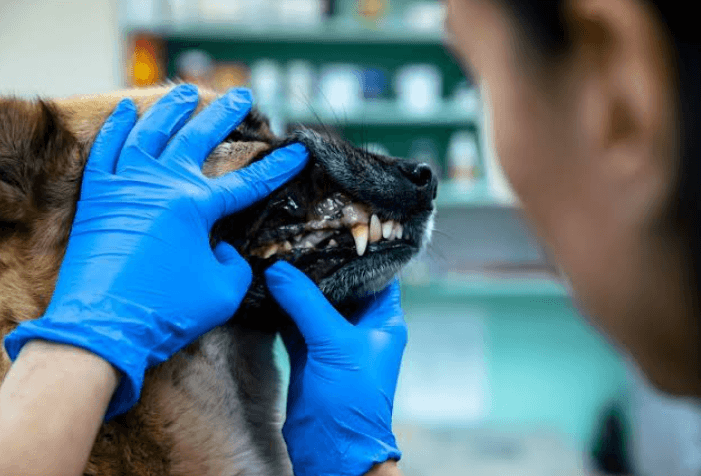
That plan often starts with a routine exam. During the visit, the veterinary team checks the gums, odor, visible tartar, fractured teeth, oral masses, and signs of pain. If the pet needs a professional cleaning, the hospital can explain what happens before, during, and after the procedure. That clarity helps because many owners worry about anesthesia, cost, and recovery all at once.
Hospitals also teach the part that matters between appointments. Brushing technique, safe dental chews, prescription diets when appropriate, and signs that mean your pet should come back sooner. Good prevention is not one cleaning a year and crossed fingers. It is a system. Professional care handles what home care cannot. Home care slows the buildup that returns after treatment.
There is also a public health angle. Good pet care includes attention to hygiene and routine veterinary guidance. The CDC’s advice on healthy habits around dogs reflects the bigger picture. Regular care, hand washing, and watching for illness protect both pets and people.
Home care and professional dental services each solve different parts of the problem
| Care Type | What It Helps With | Limits | Best Use |
| Tooth brushing at home | Reduces daily plaque buildup, supports gum health, freshens breath | Does not remove hardened tartar below the gumline, depends on consistency | Daily or near daily routine |
| Dental chews or approved diets | May reduce plaque and tartar, gives added support between visits | Not enough alone for pets with established disease; not every product is safe for every pet | Used with brushing and veterinary guidance |
| Professional dental cleaning at an animal hospital | Removes tartar above and below the gumline, allows full oral exam and treatment planning | Requires scheduling, cost planning, and often anesthesia | Routine prevention and treatment of early disease |
| Delayed treatment | Short-term avoidance of cost or stress | Higher risk of pain, infection, tooth loss, and more expensive care later | Best avoided |
This is why animal hospital dental care matters so much. Home care is useful, but it cannot replace a full veterinary dental assessment. If your pet already has bleeding gums, strong odor, visible tartar, pawing at the mouth, or changes in eating, prevention has likely shifted into treatment territory.
Small steps make preventive dental programs easier to keep
Schedule a dental baseline. If your pet has never had a focused oral exam, start there. A baseline tells you whether you are dealing with mild plaque, active gum disease, a fractured tooth, or a mouth that looks healthy today but needs monitoring. Guessing wastes time.
Build a home routine your pet will actually tolerate. Daily brushing is ideal, but many pets need a slower start. Begin with touching the muzzle, then lifting the lip, then introducing pet-safe toothpaste, then short brushing sessions. A routine that happens four times a week is better than a perfect plan that never gets off the ground.
Watch for behavior changes, not just dirty teeth. Bad breath, chewing on one side, reduced play with toys, drooling, food dropping, and face sensitivity often show up before a crisis. When those signs appear, contact your veterinary team early. That is the heart of pet dental prevention. Act before your pet stops eating or develops a visible infection.
See also: Why Payroll Outsourcing Services Help Businesses Improve Efficiency
Consistent preventive dental programs protect comfort, health, and cost
Most people are not ignoring their pet’s teeth out of neglect. They are busy, uncertain, and hoping the problem is smaller than it is. That is common. It is also fixable. Animal hospitals support preventive dental programs by giving you a clear path, from exams and cleanings to realistic home care and early treatment when needed.
Your pet does not need perfect care. Your pet needs steady care. Start with an appointment at an animal hospital and get a plan that fits your pet’s age, risk, and daily routine.