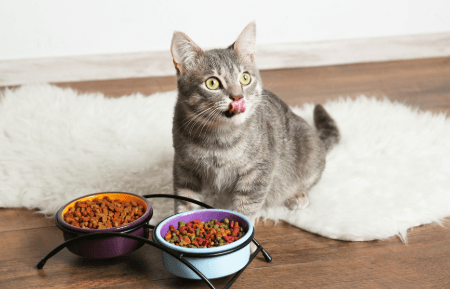
If you have ever noticed your cat visiting the litter box more frequently than usual, straining to go, or crying out in discomfort, you know how stressful urinary issues can be. Feline Lower Urinary Tract Disease (FLUTD) and crystals are common problems that can quickly become emergencies. While hydration is key, the food your cat eats every day plays a massive role in their internal pH balance. Finding the dry cat food for urinary health is a critical step in preventing future issues and keeping your feline friend pain-free.
In this comprehensive guide, we will discuss how specialized dry diets work, what ingredients to look for, and how to manage your cat’s urinary wellness for the long term.
The Connection Between Diet and Urinary Health
A cat’s urinary system is highly sensitive to mineral balance. When a cat consumes too much of certain minerals—specifically magnesium, phosphorus, and calcium—these minerals can crystallize in the urine. Over time, these crystals can form stones (like struvite or calcium oxalate) that irritate the bladder lining or, in severe cases, cause a life-threatening blockage.
Specialized dry cat food for urinary health is formulated with controlled mineral levels. It is also designed to promote a specific urine pH (usually slightly acidic) that makes it difficult for crystals to form.
Key Features of High-Quality Urinary Dry Food
When shopping for the right kibble, you shouldn’t just look at the brand name. You need to understand the science behind the ingredients:
1. Controlled Mineral Content
The best formulas strictly limit magnesium and phosphorus. These are the building blocks of most urinary stones. By keeping these levels low, the food reduces the “raw materials” available for stone formation.
2. Urine pH Regulation
A healthy urinary tract depends on the right acidity. Most urinary diets include ingredients like DL-Methionine, an amino acid that helps maintain a slightly acidic urine pH. This acidity helps dissolve certain types of crystals before they become a problem.
3. Increased Sodium (in some cases)
Some specialized dry foods have a slightly higher (but safe) sodium content. This is done intentionally to encourage your cat to drink more water. The more they drink, the more diluted their urine becomes, which naturally flushes out the bladder.
4. High-Quality Protein
Cats are obligate carnivores. Even in a specialized diet, the first ingredient should always be a high-quality animal protein like chicken, turkey, or fish. High-quality protein is easier for the body to process and produces less metabolic waste.
Top Ingredients to Look For vs. Avoid
What to Look For:
- Omega-3 Fatty Acids: Found in fish oil, these help reduce inflammation in the bladder wall (cystitis).
- Antioxidants: Vitamin E and C support the immune system and overall bladder health.
- Probiotics: A healthy gut often leads to a healthier immune response across the entire body.
What to Avoid:
- Excessive Fillers: High amounts of corn, wheat, or soy can sometimes alter the urine pH in undesirable ways.
- Artificial Preservatives: Look for natural preservatives like mixed tocopherols (Vitamin E) instead of chemical ones.
Why Hydration Is Still Essential
Even with the best dry food, cats need moisture. Cats have a naturally low thirst drive because their ancestors obtained most of their water from prey. When eating dry kibble, they often remain in a state of mild dehydration.
To support your cat’s urinary diet, consider using a water fountain. Cats are attracted to running water, and a fountain can significantly increase their daily intake. Maintaining a healthy environment for your pet is a holistic process. Just as we focus on our own nutrition, understanding the science of feline health is vital. If you are interested in how technology and data are improving healthcare outcomes for everyone, AI for Health offers great insights into the future of wellness.
Managing a Multi-Cat Household
One of the biggest challenges is feeding a cat with urinary issues when you have other healthy cats in the house. Urinary food is safe for healthy adult cats, but it is specifically formulated for those with a history of crystals.
If you cannot feed your cats separately, consider a microchip-activated feeder. These devices only open for the specific cat assigned to that bowl, ensuring that your cat with urinary needs gets their specialized food while the others eat their standard diet.
Signs Your Cat Needs a Urinary Diet Change
If you observe any of the following, consult your vet about switching to a specialized formula:
- Licking the urinary opening excessively.
- Urinary “accidents” outside the litter box.
- Small amounts of urine produced frequently.
- Blood in the urine (even a tiny pink tint).
These symptoms indicate that the bladder is irritated, and a change in dry cat food for urinary health may be necessary to prevent a full-blown medical crisis.
See also: Online Counsellor Hong Kong: Accessible Mental Health Support for Modern Life
Comparison Table: Common Urinary Diet Features
| Feature | Standard Dry Food | Urinary Support Dry Food |
| Magnesium Levels | Often High | Strictly Controlled |
| Urine pH Target | Variable | Slightly Acidic (6.0 – 6.5) |
| Inflammation Support | Minimal | High (Omega-3s) |
| Water Intake Support | Low | Often Includes Natural Thirst Inducers |
The Role of Stress in Urinary Health
It might sound surprising, but stress is a major trigger for urinary issues in cats (a condition known as Pandora Syndrome). Stress causes the bladder lining to become inflamed, which leads to pain and blockage risks.
While the right food provides the chemical balance needed, a calm environment provides the emotional balance. Use pheromone diffusers, provide plenty of vertical space (cat trees), and keep the litter boxes in quiet, low-traffic areas. This “food + environment” approach is the most successful way to manage chronic urinary issues.
Improving the quality of life for our pets often involves a mix of tradition and innovation. From specialized diets to AI-driven health monitoring, the tools available to pet owners today are better than ever. For more information on how technology is shaping the world of medicine and health, you can explore AI for Health for a deeper look into modern advancements.
Conclusion: Take Action Early
Urinary health is not something you should ignore. By the time a cat shows signs of pain, the crystals may already be forming stones. By choosing the right dry cat food for urinary health, you are taking a proactive step to ensure your cat lives a long, comfortable life.
Always remember to transition to new food slowly—mixing the old with the new over 10 days—to avoid stomach upset. Most importantly, always provide plenty of fresh, filtered water alongside their new urinary kibble. A proactive approach today can prevent an expensive and scary trip to the emergency vet tomorrow.