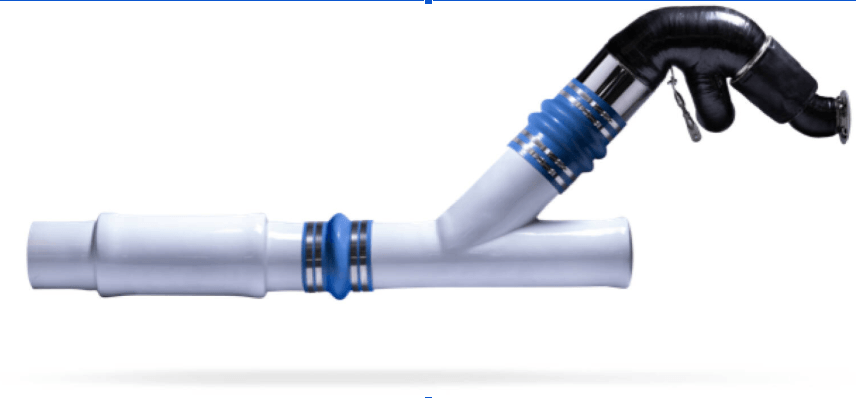
Marine engines are powerful, reliable, and essential for modern vessels, but they also generate significant exhaust noise and vibration. In marine environments where comfort, safety, and regulatory compliance matter, controlling this noise is critical. One of the most effective solutions used across the marine industry is the water exhaust muffler.
A water exhaust muffler is a specialized device designed to reduce engine exhaust noise by mixing exhaust gases with water. This process cools the gases, suppresses sound waves, and ensures smoother exhaust discharge. It is widely used in yachts, fishing vessels, commercial ships, and offshore equipment where noise reduction and emission control are essential.
This article explores the working principles, types, benefits, applications, design considerations, and maintenance practices of water exhaust mufflers, along with real-world examples and industry insights.
What Is a Water Exhaust Muffler?
A water exhaust muffler is a marine exhaust component that uses water to reduce noise and cool exhaust gases from an engine. It is typically installed in wet exhaust systems where seawater or cooling water is injected into the exhaust stream.
The main functions of a water exhaust muffler include:
- Reducing engine exhaust noise
- Cooling exhaust gases
- Minimizing vibration
- Preventing back pressure buildup
- Improving onboard comfort and safety
Unlike dry exhaust systems, water-cooled systems are highly effective in reducing sound levels, making them ideal for recreational and commercial marine applications.
How a Water Exhaust Muffler Works
The operation of a water exhaust muffler is based on a simple but highly effective principle: mixing exhaust gases with water to absorb heat and suppress noise.
Step 1: Exhaust Gas Entry
Hot exhaust gases exit the marine engine and enter the muffler system.
Step 2: Water Injection
Cooling water, often seawater, is injected into the exhaust stream.
Step 3: Mixing Process
The water mixes with exhaust gases, rapidly cooling them and reducing pressure fluctuations.
Step 4: Noise Suppression
Sound waves are absorbed and disrupted by the water mixture, significantly reducing noise levels.
See also: The Evolution of Health Information Technology
Step 5: Exhaust Discharge
The cooled mixture is safely discharged overboard with reduced noise and temperature.
A properly designed water exhaust muffler ensures smooth exhaust flow while maintaining engine efficiency.
Types of Water Exhaust Mufflers
Different marine applications require different muffler designs. Manufacturers offer several types depending on engine size, vessel type, and performance requirements.
Inline Water Exhaust Mufflers
Inline mufflers are installed directly into the exhaust line and provide continuous noise reduction.
Advantages:
- Compact design
- Easy installation
- Suitable for small to medium vessels
Applications:
- Recreational boats
- Small fishing vessels
- Personal watercraft
Chamber-Type Water Exhaust Mufflers
These mufflers use internal chambers to separate and control exhaust flow.
Advantages:
- Effective noise reduction
- Better cooling efficiency
- Suitable for continuous operation
Applications:
- Commercial fishing boats
- Workboats
Centrifugal Water Exhaust Mufflers
These systems use centrifugal force to separate water and exhaust gases efficiently.
Advantages:
- High performance
- Reduced back pressure
- Suitable for high-power engines
Custom Marine Mufflers
Custom-designed water exhaust muffler systems are tailored for specific vessel requirements.
Applications:
- Luxury yachts
- Offshore platforms
- Military vessels
Key Benefits of Water Exhaust Mufflers
Water exhaust mufflers offer several advantages that make them essential in modern marine engineering.
Significant Noise Reduction
One of the primary benefits is the dramatic reduction in exhaust noise. This improves onboard comfort and reduces noise pollution in marine environments.
Improved Cooling Efficiency
By mixing water with exhaust gases, the system lowers exhaust temperatures, reducing thermal stress on components.
Enhanced Crew Comfort
Lower noise levels and reduced heat improve working and living conditions onboard.
Reduced Vibration
Water absorption helps dampen engine vibration, resulting in smoother operation.
Better Environmental Compliance
Many marine regulations require noise and emission control. A water exhaust muffler helps vessels meet these standards.
Practical Example: Yacht Noise Reduction Upgrade
A luxury yacht operating in tourist waters experienced customer complaints due to excessive engine noise during cruising. The vessel originally used a dry exhaust system with minimal noise control.
After upgrading to a high-performance water exhaust muffler, the yacht achieved:
- Noise reduction of over 60 percent
- Cooler exhaust output
- Improved passenger comfort
- Enhanced luxury experience
- Better compliance with marina noise regulations
This upgrade significantly improved customer satisfaction and vessel reputation.
Applications of Water Exhaust Mufflers
Water exhaust mufflers are used in a wide range of marine vessels and offshore systems.
Recreational Boats
Small boats use mufflers to improve comfort and reduce engine noise during leisure activities.
Fishing Vessels
Fishing boats benefit from quieter operation, which is important for both crew comfort and fishing efficiency.
Commercial Ships
Larger vessels use advanced muffler systems to comply with international noise regulations.
Luxury Yachts
Yachts prioritize passenger comfort, making noise reduction a critical requirement.
Offshore Equipment
Oil rigs and offshore platforms use mufflers to manage exhaust noise in generator systems.
Design Considerations for Water Exhaust Mufflers
Proper design is essential for achieving optimal performance.
Engine Size and Output
Larger engines require higher capacity mufflers to handle increased exhaust flow.
Water Flow Rate
Correct water injection is essential for effective cooling and noise reduction.
Back Pressure Control
A well-designed water exhaust muffler minimizes back pressure to maintain engine efficiency.
Material Selection
Marine-grade materials such as fiberglass, stainless steel, and reinforced composites are commonly used.
Installation Space
Compact designs are important for vessels with limited engine room space.
Common Problems in Water Exhaust Muffler Systems
Despite their efficiency, mufflers can experience issues if not properly maintained or installed.
Excessive Back Pressure
Poor design or blockage can restrict exhaust flow and reduce engine performance.
Water Leakage
Improper sealing can lead to leaks, affecting system efficiency.
Corrosion and Material Wear
Constant exposure to saltwater can degrade poorly constructed systems.
Clogging
Debris or salt buildup can restrict water and exhaust flow.
Maintenance Practices for Water Exhaust Mufflers
Regular maintenance is essential to ensure long-term reliability.
Routine Inspection
Check for cracks, leaks, and signs of wear in the muffler body.
Cleaning the System
Remove salt deposits and carbon buildup to maintain smooth airflow.
Checking Water Flow
Ensure proper water injection levels to maintain cooling efficiency.
Seal and Joint Inspection
Inspect all connections for tightness and leakage prevention.
Monitoring Performance
Regularly assess noise levels and exhaust temperature for early detection of issues.
Industry Insights on Marine Exhaust Systems
The marine industry is evolving toward more efficient and environmentally friendly exhaust solutions.
Growing Demand for Noise Control
With stricter environmental regulations, noise reduction is becoming a top priority in marine design.
Hybrid Exhaust Systems
Modern vessels often combine dry and wet exhaust technologies for optimized performance.
Advanced Composite Materials
Fiberglass and composite materials are increasingly used for their durability and corrosion resistance.
Focus on Energy Efficiency
Efficient exhaust systems contribute to lower fuel consumption and reduced emissions.
Advantages Over Dry Exhaust Systems
Compared to dry exhaust systems, water exhaust mufflers offer several advantages.
Superior Noise Reduction
Water absorption significantly reduces sound levels compared to dry systems.
Better Cooling Performance
Wet systems reduce exhaust temperature more effectively.
Enhanced Passenger Comfort
Lower noise and heat improve onboard experience.
However, dry systems may still be preferred in certain high-temperature or specialized applications.
Choosing the Right Water Exhaust Muffler
Selecting the right system depends on vessel type and operational requirements.
Evaluate Vessel Type
Recreational, commercial, and industrial vessels have different requirements.
Consider Engine Power
Higher power engines require larger and more robust mufflers.
Assess Noise Reduction Needs
Different environments require different noise control levels.
Focus on Durability
Marine-grade construction ensures long-term performance.
Work with Experienced Manufacturers
A professional supplier ensures proper design and compliance with marine standards.
Future Trends in Water Exhaust Muffler Technology
Marine exhaust systems are evolving with new innovations.
Smart Monitoring Systems
Sensors are being integrated to monitor temperature, flow rate, and performance.
Lightweight Designs
Advanced materials reduce weight while maintaining strength.
Improved Acoustic Engineering
New designs focus on maximizing noise reduction efficiency.
Environmental Compliance
Future systems will focus on reducing both noise and emissions simultaneously.
Conclusion
A water exhaust muffler is a critical component in modern marine exhaust systems, providing effective noise reduction, improved cooling, and enhanced onboard comfort. It plays a vital role in ensuring vessel efficiency, safety, and compliance with environmental regulations.
From recreational boats and luxury yachts to commercial ships and offshore platforms, a well-designed water exhaust muffler significantly improves operational performance while reducing noise pollution and thermal stress on marine engines.
As marine technology continues to advance, demand for high-efficiency exhaust solutions will continue to grow. Investing in a durable and properly engineered system ensures long-term reliability and improved vessel performance. For expert marine exhaust solutions tailored to your needs, contact us