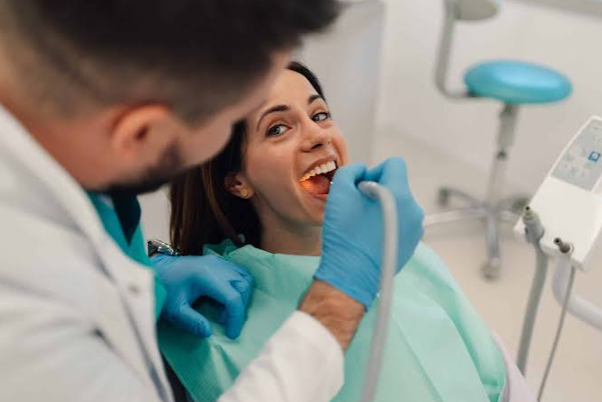
You may not notice your bite changing until something starts to feel off, which is why seeing a dentist in Tawas City MI can help. A tooth hits first when you chew. Your jaw feels tight in the morning. A filling that used to feel smooth now seems a little high. Sometimes the change is slow enough that you adjust without realizing it, and that is often what makes it frustrating. You know something feels different, but you cannot always explain why.
A general dentist tracks those small shifts before they turn into bigger problems. How general dentists monitor changes in your bite over time comes down to regular exams, bite checks, wear patterns, jaw symptoms, and comparing what your teeth and jaw are doing now to what they did months or years ago. That long view matters because your bite is not fixed for life. Teeth move, dental work ages, stress shows up in the jaw, and habits like clenching can change the way your teeth meet.
General dentists watch for bite changes that build slowly
Your bite is the way your upper and lower teeth come together. When it changes, the effects can show up in places that do not seem connected at first. You may have one sore tooth, a chipped edge, headaches near your temples, or tenderness around the jaw joint. Some people hear clicking. Others notice that chewing on one side feels easier, so they start favoring that side without thinking.
A general dentist looks at the whole pattern, not just the one symptom that brought you in. During routine visits, they check how your teeth contact each other, whether any teeth have shifted, whether older crowns or fillings are changing the way your bite lands, and whether enamel wear suggests grinding or clenching. They also compare current findings with past records, which can include notes, X rays, photos, and models or digital scans.
This is where bite alignment monitoring becomes useful. One slightly uneven contact may not seem serious on its own, but if it keeps forcing your jaw to close in an unnatural path, it can create muscle strain, tooth wear, and cracks over time. The person living with it often just thinks, “I guess I have been tense lately,” when the bite is part of the story.
See also: Online Counsellor Hong Kong: Accessible Mental Health Support for Modern Life
Small bite problems can affect teeth, muscles, and dental work
A changing bite can cost you comfort and money if it goes unchecked. A high filling may wear down an opposing tooth. Clenching can shorten or flatten tooth edges. A missing tooth can let nearby teeth drift, which changes spacing and pressure. Orthodontic relapse can slowly bring old crowding back. Even gum disease can loosen support around teeth and affect how they meet.
Jaw discomfort is another piece of the picture. The National Institute of Dental and Craniofacial Research explains that temporomandibular disorders can involve jaw pain, limited movement, and joint sounds. You can read more about temporomandibular disorders and jaw symptoms. Grinding and clenching also matter here. The NIH describes how bruxism can wear teeth and strain the jaw, often without the person fully realizing it, especially during sleep.
That is why monitoring your bite over time is not just about whether your teeth look straight. It is about function. If your teeth do not meet in a balanced way, your jaw muscles often work harder to compensate. If they work harder long enough, soreness and fatigue start to feel normal, even though they are not.
Routine dental visits reveal patterns you may miss at home
At home, you can tell when something hurts. You usually cannot see tiny wear facets, detect subtle drifting, or judge whether pressure is landing evenly across your teeth. A general dentist can. They may use articulating paper to mark contact points, evaluate how your teeth slide during movement, check for mobility, inspect restorations, and ask whether you wake with headaches, clench during stress, or avoid chewing on one side.
That broader exam helps separate short term irritation from a pattern that is getting worse. If a crown feels high right after placement, the fix may be simple. If several teeth show fresh wear, gum recession, and jaw tenderness, the issue may involve grinding, muscle tension, or bite instability that needs follow up. Dental bite assessment works best when it is done consistently, because the comparison over time is often what reveals the real problem.
Home awareness and professional bite checks are not the same
| What You Notice at Home | What a General Dentist Can Detect | Why It Matters |
|---|---|---|
| A tooth feels “off” when you bite | Premature contact, uneven pressure, or a high restoration | Early adjustment can prevent cracks, soreness, and wear |
| Jaw tightness in the morning | Signs of clenching, grinding, or muscle overuse | Can reduce strain on teeth and jaw joints |
| Chipped or flattening front teeth | Wear patterns across multiple teeth | Shows whether damage is isolated or part of a larger bite issue |
| Food gets trapped in a new spot | Tooth shifting, open contacts, or bite-related movement | Can help prevent decay and gum irritation |
| Chewing feels easier on one side | Asymmetrical function, sensitivity, or unstable contacts | Favoring one side can add stress elsewhere |
Three steps you can take right away
Pay attention to patterns, not isolated moments. Notice whether your jaw feels tight in the morning, whether one tooth hits first, whether you are chewing on one side, or whether headaches line up with stressful periods. Write it down. A short pattern history helps your dentist connect symptoms that may seem unrelated.
Keep regular dental visits even when nothing hurts. Bite changes are often quiet at first. Routine exams give your dentist a baseline and make it easier to spot movement, wear, or changes in restorations before they become expensive repairs.
Speak up about clenching, grinding, or recent dental changes. If you had a filling, crown, tooth extraction, orthodontic treatment, or rising stress, mention it. Those details matter. They often explain why your bite feels different now than it did six months ago.
A general dentist helps protect your bite before bigger problems develop
If your bite feels different, you are not imagining it, and you do not need to wait until the discomfort gets worse. Small shifts can lead to wear, cracks, jaw strain, and dental work that fails sooner than it should. A general dentist can track those changes, compare them over time, and help you address the cause before your mouth starts compensating in ways that cost you later.
If something feels off when you chew, when you wake up, or when your teeth come together, schedule a visit with a general dentist. Getting it checked early is often the simplest step.