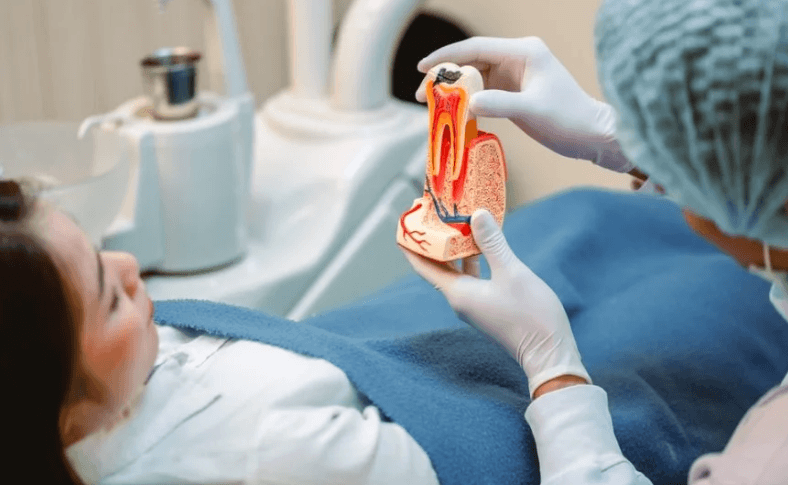
It often starts small. Maybe you notice a tooth that feels different when you sip coffee, or a dull ache that comes and goes and seems easy to ignore. Then a few days pass, and that little signal turns into something harder to push aside. You may be wondering whether it is just a cavity, whether it will calm down on its own, or whether you are looking at something more serious. That uncertainty can be stressful, especially when tooth pain begins to affect sleep, meals, and your ability to focus. If you are searching for family dentistry in Wichita Falls, knowing when to seek care can make a big difference.
If that sounds familiar, you are not overreacting. Persistent pain, swelling, and deep sensitivity can point to trouble inside the tooth, where the pulp and nerve live. In many cases, endodontic care is meant to save a natural tooth rather than remove it. The sooner you recognize the signs, the better your chances of avoiding a worse infection and more extensive treatment.
When does tooth pain mean more than a simple cavity?
Not every toothache means you need a root canal, but some symptoms deserve quick attention. One of the most common warning signs is lingering pain, especially pain that does not stop after the trigger is gone. If you drink something cold and the ache hangs on, or if biting down causes a sharp, focused pain, the problem may be deeper than surface decay.
Tooth decay can move inward over time. According to the National Institute of Dental and Craniofacial Research, tooth decay begins when bacteria and acids wear through the outer layers of the tooth. Once that damage reaches the inner tissue, the nerve can become inflamed or infected. That is where endodontic treatment may come into the picture.
So, what makes this different from ordinary sensitivity? Ordinary sensitivity is usually brief. It comes, it goes, and it tends to match a clear cause. Pain from an infected pulp often feels more intense, more constant, or more difficult to predict. You may feel it while chewing, while resting, or even in the middle of the night.
Could swelling or gum tenderness be a sign of infection?
Yes, and this is one sign people sometimes wait too long to address. If you notice swelling around one tooth, tenderness in the gums, or a small pimple like bump near the painful area, your body may be reacting to infection. That can happen when bacteria move into the pulp and then spread beyond the root tip into the surrounding tissue.
Because of this, the issue is no longer only about discomfort. It becomes a matter of protecting the tooth and limiting the infection. In some cases, the pain may even ease for a short time, which can make things confusing. But a drop in pain does not always mean the problem is gone. Sometimes it means the nerve is no longer responding normally, which can be a sign of advanced damage.
If you have ever thought, “If it stops hurting, maybe I can wait,” that is an understandable reaction. Still, swelling, drainage, or pressure in the gums should be checked by a general dentist as soon as possible.
What if your tooth changes color or feels loose?
The third warning sign is a tooth that looks darker than the teeth around it, or one that suddenly feels different when you bite. A gray or darkened tooth can suggest damage inside the tooth, often after trauma or long standing infection. A loose feeling can happen when inflammation affects the support around the root.
This is where people often second guess themselves. A discolored tooth may not hurt much, and a loose sensation may come and go. But those quiet signs can still point to a need for root canal treatment signs to be evaluated. If the inside of the tooth has been compromised, waiting may reduce the chance of saving it.
For a plain language overview of how root canal treatment works, MedlinePlus explains what happens during a root canal and why it is used to treat infection inside a tooth.
How do common symptoms compare with possible next steps?
When you are in pain, it helps to sort symptoms by urgency. Not every issue means emergency care, but some signs should move to the top of your list.
| Symptom | What it may mean | Why prompt dental care matters |
| Lingering hot or cold sensitivity | Inflamed or infected pulp | Early care may help save the tooth before infection spreads |
| Pain when biting or chewing | Deep decay, crack, or root inflammation | Ignoring it can lead to worsening pain and structural damage |
| Swollen gums or a pimple near the tooth | Possible abscess or drainage from infection | Infection can spread into nearby tissue and bone |
| Darkened tooth color | Nerve damage, old trauma, or internal breakdown | The tooth may still be treatable before damage becomes severe |
| Constant throbbing pain | Advanced inflammation or infection | Fast evaluation can reduce pain and prevent further complications |
For more background on cavities and how decay progresses, MedlinePlus offers a helpful overview of tooth decay symptoms and causes. Understanding that progression can make it easier to see why signs you may need a root canal should not be brushed off.
See also: Why Payroll Outsourcing Services Help Businesses Improve Efficiency
What can you do right now if you think you need endodontic treatment?
1. Pay attention to the pattern. Notice whether pain lingers, whether chewing makes it worse, and whether there is swelling, drainage, or color change. These details help a general dentist decide whether you may need further testing for endodontic treatment.
2. Avoid putting the tooth under more stress. Try to chew on the other side, avoid very hot or very cold foods if they trigger pain, and do not assume that over the counter pain relief fixes the cause. It may help you cope for the moment, but it does not remove infection.
3. Schedule a dental exam soon. A general dentist can examine the tooth, take images if needed, and determine whether the issue is decay, a crack, gum disease, or a problem inside the root. That clear answer is often the first real relief.
Where does that leave you now?
If you have been trying to talk yourself out of your symptoms, that is a very human response. No one wants to hear they may need dental treatment. But catching these problems early often gives you more options, less pain, and a better chance of keeping your natural tooth. If you are noticing persistent pain, swelling, or tooth discoloration, do not wait for it to become impossible to ignore. Reach out to a general dentist and get the tooth checked before a manageable problem turns into a much harder one.