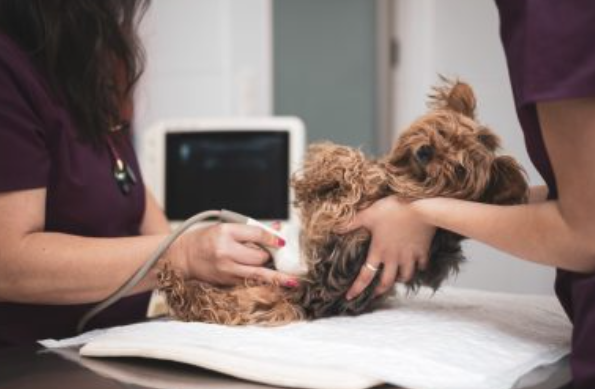
Your pet is not acting like themselves, and that change can unsettle your whole day. Maybe they stopped eating, started drinking more water, or seem tired in a way that feels off. You know something is wrong, but the hard part is not knowing what. That gap between noticing a symptom and getting a real answer is where a lot of stress lives, and Longleaf Animal Hospital in Southern Pines can help you find answers.
This is where animal hospital laboratory services matter. They help your veterinary team move past guesswork, find the cause of a problem faster, and choose treatment based on evidence instead of trial and error. For many pet owners, the biggest relief is simple. You get clearer answers, sooner, and that often means better care for your animal and fewer costly delays.
Animal hospital lab testing gives faster and clearer answers
Symptoms in pets rarely point to just one issue. Vomiting could mean a mild stomach upset, a toxin exposure, pancreatitis, kidney disease, or a hormonal problem. Limping could be a soft tissue strain, an infection, or an immune issue. Even a quiet change like weight loss can come from several different causes. Looking at your pet alone only tells part of the story.
Lab testing fills in the missing pieces. Bloodwork, urinalysis, fecal testing, cytology, and other diagnostic tools show what is happening inside the body before some conditions become obvious from an exam. A complete blood count can reveal infection or anemia. Chemistry testing can point to liver or kidney trouble. A urine sample can uncover diabetes, crystals, or loss of kidney function. Cytology can help identify inflammation, bacteria, or suspicious cells.
That speed matters. A sick pet can decline quickly, and waiting too long can turn a manageable issue into an emergency. Veterinary teaching hospitals and diagnostic centers show how much detail modern clinical pathology can provide. You can see the range of clinical pathology services offered by Washington State University Veterinary Teaching Hospital, from blood analysis to body fluid evaluation, all aimed at helping veterinarians reach a diagnosis with more confidence.
The first advantage is accuracy with less delay. Instead of treating the loudest symptom and hoping it works, your veterinarian can match care to the condition that is actually there.
Veterinary diagnostic laboratory services support safer treatment decisions
Treatment without solid testing can create new problems. If a pet has vomiting from kidney disease, giving the wrong medication or delaying fluid support can make things worse. If skin irritation looks like allergies but is really an infection or parasite issue, weeks of the wrong treatment can leave your pet uncomfortable and you frustrated.
Veterinary diagnostic laboratory services reduce that risk because they help your veterinarian measure, confirm, and monitor. Before anesthesia, lab work can flag organ concerns that affect drug choice and safety. Before starting long term medication, baseline values show whether your pet can tolerate treatment. During treatment, repeat testing shows whether things are improving or if the plan needs to change.
This is especially helpful for chronic conditions. A pet with diabetes needs glucose monitoring. A pet with kidney disease needs regular checks on waste levels, hydration markers, and urine concentration. A pet on certain medications may need liver value checks. Good medicine is not just about making a diagnosis once. It is also about tracking what happens next.
The clinical pathology resources at the University of Illinois Veterinary Diagnostic Laboratory reflect this broader role. Laboratory support is not limited to finding disease. It also helps guide case management, monitor response, and catch complications early.
The second advantage is safety. Testing helps your veterinarian choose treatment with more precision, which protects your pet and lowers the chance of wasting time on the wrong plan.
Animal hospital laboratory services can lower long term costs
It is easy to look at lab work as one more line on a bill, especially when you are already worried about the cost of the visit itself. Many pet owners feel that tension. You want answers, but you also do not want to agree to tests that seem broad or unclear.
Still, skipping testing often costs more later. A condition that could have been managed early may become severe enough to need emergency care, hospitalization, repeat visits, or multiple medication changes. When diagnosis is delayed, you are not saving money so much as postponing a larger expense.
Think about a dog with increased thirst and accidents in the house. Without lab work, it might be treated as a behavior issue or a simple urinary problem. If blood and urine testing show diabetes early, treatment can start before a crisis develops. The same pattern shows up with kidney disease, parasites, internal infections, and many endocrine disorders.
The third advantage is financial clarity over time. Good testing narrows the problem, reduces unnecessary treatment, and helps avoid the cost of missed or worsening disease.
See also: Top Insta Video Downloader Websites Compared – Best Free Unlimited Instagram Story Downloader
Comparing symptom based care and lab guided animal hospital care
| Approach | What It Often Looks Like | Main Risk | Likely Outcome |
|---|---|---|---|
| Symptom based care only | Treatment starts from visible signs without diagnostic confirmation | Wrong diagnosis, delayed proper care, repeat visits | Short term relief is possible, but underlying disease may continue |
| Animal hospital lab testing | Blood, urine, fecal, or cell analysis guides decisions | Upfront testing cost | Faster diagnosis, safer treatment, better monitoring |
| Wait and see approach | Monitoring at home until symptoms get worse | Condition progresses, emergency care becomes more likely | Lower immediate cost, higher chance of larger later expense |
Clear steps help you use laboratory services wisely
Ask what each test is meant to rule in or rule out. You do not need a medical lecture. You need a plain answer. Ask your veterinarian what they suspect, what the recommended tests can confirm, and how the results would change treatment.
Prioritize baseline testing when symptoms are vague. When a pet is just “off,” routine bloodwork and urine testing often provide the first useful clues. This is one of the most practical uses of an animal hospital lab, especially for older pets or animals with changes in appetite, thirst, energy, or weight.
Use follow up testing as part of treatment, not as an extra. If your pet has a chronic illness or starts a new medication, repeat lab work is part of safe care. It shows whether the plan is working and whether your pet is tolerating it well.
When your pet is sick, uncertainty is often the hardest part. Laboratory services give your veterinarian a clearer path, and they give you something just as important, which is a reasoned plan based on real data. If your pet is showing signs that worry you, schedule an evaluation with an animal hospital and ask how laboratory testing can help guide the next step.