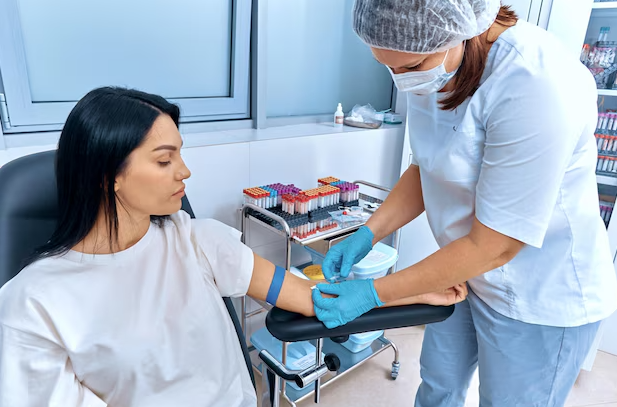
A syringe is one of the most commonly used tools in healthcare, essential for administering medications, withdrawing fluids, and performing diagnostic procedures. Proper knowledge about syringes ensures accurate treatment and patient safety.
What Is a Syringe?
A syringe is a medical device consisting of a barrel, plunger, and tip. It is used to inject medications, fluids, or nutrients directly into the body or to draw samples for medical testing. Syringes vary in size, design, and application.
Components of a Syringe
- Barrel: Holds the fluid or medication.
- Plunger: Moves fluid in and out of the barrel.
- Tip: Connects to a needle, IV set, or catheter.
- Needle: Optional depending on the procedure and syringe type.
Healthcare professionals can learn more about different types of syringe equipment and applications.
Types of Syringes
Standard Syringes
Used for general injections and fluid withdrawal. They are versatile and widely used in hospitals and clinics.
Insulin Syringes
Specifically designed for administering insulin with fine needles to reduce patient discomfort and improve accuracy.
Luer Lock Syringes
These provide secure connections to prevent leakage during medication administration or when connecting to IV sets.
Catheter Tip Syringes
Used in specialized procedures like enteral feeding or wound irrigation, ensuring accurate fluid delivery.
Large-Volume Syringes
Ideal for irrigation or administration of large amounts of fluids in medical or laboratory settings.
Specialized Syringes
Certain laboratory or surgical procedures require syringes designed for specific applications.
Applications of Syringes
- Medication Administration: Ensures accurate dosing and delivery.
- Fluid Withdrawal: Extracts blood or other body fluids for diagnostic purposes.
- Irrigation: Cleans wounds or medical devices safely.
- Enteral Feeding: Provides nutrition to patients who cannot consume food orally.
- Laboratory Use: Accurate transfer of liquids in experiments and diagnostics.
Benefits of Using a Syringe
- Accuracy: Correct dosing ensures effective treatment.
- Safety: Reduces the risk of contamination and errors.
- Efficiency: Speeds up medical procedures and workflows.
- Versatility: Adaptable to many medical and laboratory applications.
Proper Handling and Maintenance
- Inspect syringes before use to ensure they are sterile and intact.
- Use aseptic techniques to prevent contamination.
- Dispose of single-use syringes correctly.
- Sterilize reusable syringes according to protocol.
- Store syringes safely in clean environments.
See also: The Evolution of Health Information Technology
Troubleshooting Common Issues
- Incorrect Dosage: Select the proper syringe size.
- Air Bubbles: Prime the syringe carefully before use.
- Leakage: Ensure connections are secure.
- Patient Discomfort: Use the correct needle gauge and syringe type.
FAQs About Syringes
1. What is a syringe used for?
A syringe is used for injecting medications, withdrawing fluids, and performing diagnostic or therapeutic procedures.
2. Why is it important to know about syringes?
Proper knowledge ensures accurate dosing, patient safety, and efficiency in medical procedures.
3. Where can I find more detailed information about syringes?
Healthcare professionals can refer to syringe resources for guidance on types, uses, and handling.
Conclusion
The syringe is an essential medical tool for safe, accurate, and effective patient care. Understanding its types, uses, and proper handling ensures optimal outcomes in both clinical and laboratory settings. For more detailed guidance, professionals can consult syringe resources.