You trust a Katy veterinary clinic to help animals heal, not to become the place where illness spreads. That concern is real, especially when a sick pet, an injured animal, or a contaminated surface can expose staff, owners, and other patients within minutes. In a busy clinic, one missed cleaning step or one rushed intake can turn a routine visit into a chain of preventable risk.
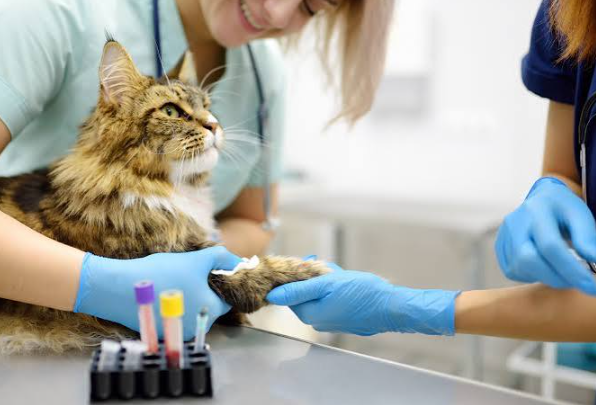
That is why biohazard procedures matter so much. They are not extra rules for the sake of appearances. They reduce contact with blood, urine, feces, saliva, needles, contaminated laundry, and airborne particles. They protect the technician drawing blood, the family holding a nervous dog, and the cat in the next exam room. Good infection control in a veterinary clinic protects everyone who walks through the door.
Biohazard Procedures In A Veterinary Clinic Stop Small Mistakes From Becoming Serious Exposure
Veterinary work is hands on. Staff restrain frightened animals, clean wounds, collect samples, handle sharp instruments, and move quickly between rooms. That pace creates risk. A scratch breaks skin. A fluid spill reaches a counter. A kennel door gets touched before gloves are changed. None of this is dramatic, yet each step can spread bacteria, viruses, fungi, and parasites.
The danger is not limited to animal patients. Many diseases can pass between animals and people, which is why the CDC provides veterinary resources for clinical teams focused on zoonotic disease prevention and response. A clinic that follows clear biohazard procedures lowers the chance that a staff member carries contamination to another patient, takes it home, or exposes a client in the waiting area.
You can see the difference in simple moments. A proper isolation protocol keeps a coughing dog away from recovering surgical patients. Correct sharps disposal protects the assistant taking out trash at the end of the day. Hand hygiene after handling an exotic pet can stop germs from reaching a child’s hands a few minutes later. These are small barriers that prevent larger harm.
See also: 5 Reasons Dental Implants Improve Quality Of Life
Veterinary Infection Control Protects People, Animals, And The Business Itself
When clinics cut corners, the cost shows up fast. Staff illness means missed shifts, overtime, and burnout for the rest of the team. Cross contamination can lead to longer treatment plans, repeat visits, and angry owners who thought their pet was safe. In some cases, a preventable exposure can trigger workers’ compensation claims, health department involvement, or damage to the clinic’s reputation.
Veterinary infection control also protects animals that are already vulnerable. Puppies, kittens, senior pets, and animals with immune problems are less able to fight off exposure. A healthy adult dog may recover from a contaminated environment that puts a parvo suspect, post op patient, or stressed rescue cat at serious risk. The standard of care has to account for the weakest patient in the building, not the strongest one.
The CDC outlines prevention steps for veterinary settings that address common workplace hazards, including personal protective equipment, cleaning and disinfection, animal handling, and staff training. The point is practical. Written procedures, proper supplies, and repeated training reduce the chance that safety depends on memory alone.
Clear Biohazard Safety Protocols Create Safer Daily Routines
Biohazard safety protocols work best when they are built into ordinary tasks. Exam tables are disinfected between patients. Laundry is bagged and handled as contaminated when needed. Staff know which rooms are used for isolation and what protective gear belongs there. Waste goes into the right containers. Owners receive direct instructions if their pet has a contagious condition and needs home precautions.
That last piece matters more than people think. Clinics do not control what happens after discharge unless they communicate clearly. The CDC’s guidance on hygiene practices around animals supports what veterinary teams already know. Handwashing, surface cleaning, and careful handling after contact with animals reduce disease spread at home and in public spaces.
Good protocols also lower stress. When staff know exactly what to do after a bite, a spill, or a suspected infectious case, they act faster and with more confidence. That protects health and it protects judgment. Panic leads to skipped steps. Training creates calm.
Routine Shortcuts And Strong Procedures Lead To Very Different Outcomes
| Clinic Practice | Short Cut Outcome | Proper Procedure Outcome |
|---|---|---|
| Hand hygiene between patients | Germs move from one exam room to another | Lower risk of cross contamination for staff and pets |
| Sharps disposal | Needlestick injuries and contaminated trash exposure | Safer waste handling and fewer staff injuries |
| Isolation of contagious animals | Exposure in waiting areas and shared treatment spaces | Better containment and protection for high risk patients |
| Cleaning blood or body fluid spills | Surface contamination remains active | Disinfection reduces pathogen survival |
| Client discharge instructions | Owners unknowingly spread illness at home | Safer home care and better follow through |
Practical Steps That Strengthen Veterinary Biohazard Protection Right Away
Standardize high risk tasks. Write down the exact steps for cleaning spills, handling sharps, isolating contagious animals, and changing protective gear. A consistent process beats good intentions every time.
Train for the moments people rush through. Focus on hand hygiene, exam room turnover, laundry handling, and discharge communication. Those are the places where speed often replaces care.
Check supplies before there is an emergency. Gloves, gowns, disinfectants, sharps containers, and signage need to be where staff actually use them. Safety falls apart when people have to hunt for basics.
Strong Veterinary Biohazard Procedures Support Trust
People notice when a clinic takes safety seriously. They see clean rooms, careful handling, clear instructions, and staff who do not guess when a risk appears. That builds trust, and trust matters when someone is scared for their pet and trying to make the right decision under pressure.
Why Biohazard Procedures Protect Veterinary Staff, Pet Owners, And Animal Patients comes down to one plain truth. Exposure prevention protects health, time, money, and peace of mind. In any veterinary clinic, strong biohazard procedures are part of good medicine, not an extra layer added after the fact.