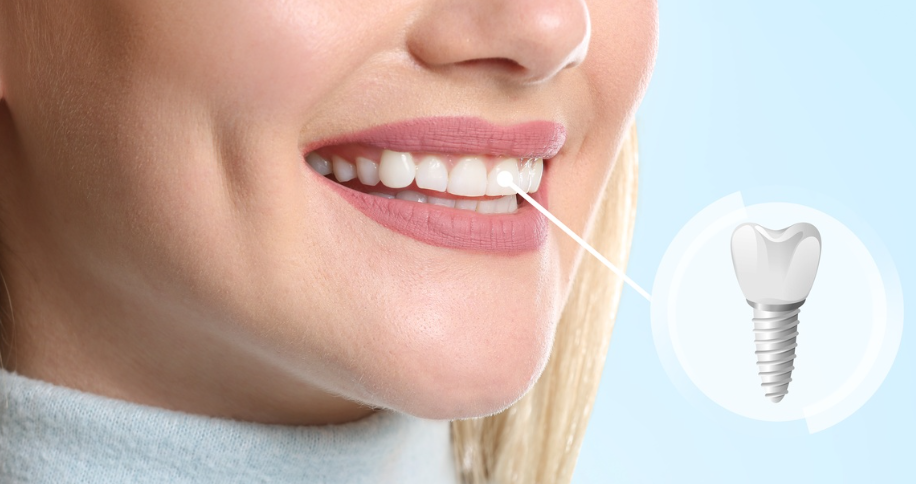
Living with a missing tooth changes more than your smile. You notice it when you chew on one side, when certain words feel awkward, or when you catch yourself covering your mouth in photos. If you have loose dentures or a gap that keeps drawing your attention, the stress builds quietly. Eating stops feeling easy. Social plans can feel tiring before they even start. That is why so many people look into dental implants and seek a restorative dentist in Sequim. They do more than fill a space. They can restore comfort, function, and confidence in ways that affect your whole day.
A skilled general and implant dentist looks at the bigger picture, not just the tooth itself. Oral health connects to nutrition, speech, self image, and long term bone support. Research from the National Institute of Dental and Craniofacial Research shows that oral health is closely tied to overall well being, as discussed in this Oral Health in America overview. When a tooth is lost and left untreated, the effects often spread.
Dental implants restore chewing strength and make eating feel normal again
People often adapt to missing teeth without realizing how much they have given up. You start avoiding apples, steak, nuts, crusty bread, and anything that needs real bite pressure. Soft foods become the safe option, even when they leave you less satisfied. Over time, that can affect nutrition and enjoyment.
Implants are placed in the jawbone and act like artificial tooth roots, which gives them a stable base. Unlike removable options that may shift, implants are designed to stay in place. That stability matters at every meal. You can bite and chew with more balance, and you spend less mental energy worrying about what will happen when you eat in public.
Dental implants help protect bone and facial structure
When a tooth is missing, the jawbone in that area no longer gets the stimulation it used to receive from chewing. The body responds by resorbing bone. This is not always obvious at first, which is part of the problem. Months or years later, you may notice changes in the way your face looks, or you may learn there is less bone available for future treatment.
That is one reason tooth replacement options are not all equal. Implants help stimulate the bone in a way bridges and dentures do not. According to the National Library of Medicine’s review of dental implants, osseointegration allows the implant to bond with bone, creating support that can help maintain the surrounding structure. This is not just about appearance. Bone support affects long term oral stability.
Dental implants improve speech and reduce daily self consciousness
A loose denture or a visible gap can make simple conversations feel loaded. You may speak more carefully, laugh less freely, or avoid meetings, dates, and group dinners because you do not want to think about your teeth every few minutes. That constant self monitoring wears people down.
Implants stay put, which often helps speech feel more natural. They also look and feel closer to natural teeth than many people expect. The change is practical, but it is also emotional. When your teeth stop being the first thing you think about, your attention goes back to the people in front of you. That shift can improve quality of life as much as the physical repair itself.
Dental implants support nearby teeth instead of relying on them
Missing teeth create a domino effect. Nearby teeth can drift into the empty space. Opposing teeth may over erupt. Your bite can change slowly, then all at once, when a cracked tooth or jaw soreness forces the issue. Traditional bridges can be a good option in some cases, but they usually depend on neighboring teeth for support.
Implants stand on their own. That independence helps preserve surrounding teeth because they do not need to be altered to anchor the restoration. For many patients, this is one of the strongest long term arguments for implant care. You are not just fixing one space. You are reducing strain across the rest of your mouth.
Dental implants offer long term value despite a higher upfront cost
The cost question is real, and it stops many people from moving forward. A removable solution may seem easier to manage at first. Then come relines, repairs, adhesives, replacements, and the frustration of a result that never feels fully secure. The cheaper option can become expensive in time, inconvenience, and repeated treatment.
Implants usually cost more upfront, but they often deliver more stability and durability. The broader public health picture supports taking oral disease and tooth loss seriously. The National Institute of Dental and Craniofacial Research details those patterns in its full Oral Health in America report. When treatment improves function, comfort, and oral stability, the value reaches far beyond the first bill.
See also: Why Businesses Rely on Professional Tax Accountants
Comparing dental implants with other tooth replacement options
| Option | Stability | Effect on Bone | Impact on Nearby Teeth | Daily Convenience |
|---|---|---|---|---|
| Dental implant | High, fixed in place | Helps stimulate bone | Usually leaves nearby teeth untouched | Brush and floss much like a natural tooth |
| Dental bridge | High, fixed in place | Does not stimulate bone at the missing root | Often requires shaping adjacent teeth | Convenient, but needs special cleaning under the bridge |
| Removable denture | Lower, may shift during eating or speaking | Does not prevent bone loss | May place pressure on gums and remaining teeth | Requires removal and extra maintenance |
Clear steps help you decide whether implant dentistry is right for you
1. Get a full evaluation. A proper exam should include imaging, bite assessment, gum health review, and a conversation about your goals. Implant dentistry is not one size fits all. Bone levels, smoking status, medical conditions, and habits like grinding all matter.
2. Ask for more than one treatment path. You deserve to compare an implant, bridge, and removable option based on cost, timeline, maintenance, and long term impact. If one choice seems cheaper today but likely to create more treatment later, that should be part of the discussion.
3. Think about your daily life, not just the procedure. The right question is not only “Can this gap be filled.” It is whether the result will let you eat comfortably, speak freely, clean your teeth well, and stop thinking about the problem every day. That is where missing tooth replacement becomes a quality of life decision, not just a cosmetic one.
Better function and more confidence often start with one conversation
If you have been putting off treatment, you are not alone. Many people adapt for years before they realize how much a missing tooth has been affecting them. Dental implants can improve comfort, protect bone, support long term oral health, and help you feel like yourself again. The next step is simple. Schedule a consultation with a general and implant dentist and get clear answers based on your mouth, your health, and your goals.